SPORTS & TALENTS ACADEMY
RTT Sports & Talents Academy uses sports, arts, talents and skills development as platforms for mental-health advocacy, combining year-round psychoeducation, mental-fitness training, mentorship, counselling and competitions to build resilience, reduce stigma, and fight suicide and addiction among young people.
THE 5-PILLARS OF TALENTS & SPORTS ACADEMY
RTT Sports & Talents Academy is built on the understanding that young people need more than academic achievement or sporting ability to thrive. The Academy deliberately combines mental-health education, sport, creative expression, environmental action and livelihood skills to strengthen the psychological, social, physical and economic wellbeing of teenagers and young people. This is particularly important during adolescence, a period of rapid cognitive, emotional and social development when patterns of behaviour and coping are established. WHO identifies emotional regulation, problem-solving, interpersonal skills, resilience, physical activity and supportive social environments as important elements of adolescent mental-health promotion.
1.PSYCHOEDUCATION – THE COMPULSORY CORE OF THE ACADEMY
Psychoeducation is the foundation and compulsory core course for every participant in RTT Sports & Talents Academy, regardless of whether they join through football, dance, music, visual arts, environmental activities or skills training. RTT’s approach is to make mental-health knowledge as fundamental as learning the rules of a game or developing a talent. Across the year, participants progressively learn about self-awareness, emotional intelligence, emotional regulation, self-esteem, discipline, resilience, stress management, healthy relationships, communication, peer pressure, decision-making, conflict management, grief and loss, trauma awareness, digital wellbeing, substance use and addiction prevention, suicide awareness and prevention, help-seeking, coping skills, purpose and goal setting, and how to support a friend in distress. The psychological importance is that young people are not simply told to “be strong”; they are taught practical skills for recognising emotions, managing impulses, solving problems and seeking appropriate support. From a developmental-neuroscience perspective, adolescence is a period of significant brain development, particularly in systems involved in decision-making, emotional regulation and social behaviour, making repeated opportunities to practise these skills especially valuable. WHO strongly recommends universally delivered psychosocial interventions for adolescents, including social-emotional learning, emotional regulation, problem-solving, interpersonal skills, mindfulness, assertiveness and stress management; such interventions can also help prevent or reduce suicidal behaviour, mental disorders and substance use. RTT therefore treats psychoeducation not as a one-off talk but as a full-year mental-fitness curriculum, reinforced before, during and after sporting and talent activities, with assessment, certification and recognition at the end of the programme.
2. FOOTBALL-A KICK FOR MENTAL FITNESS
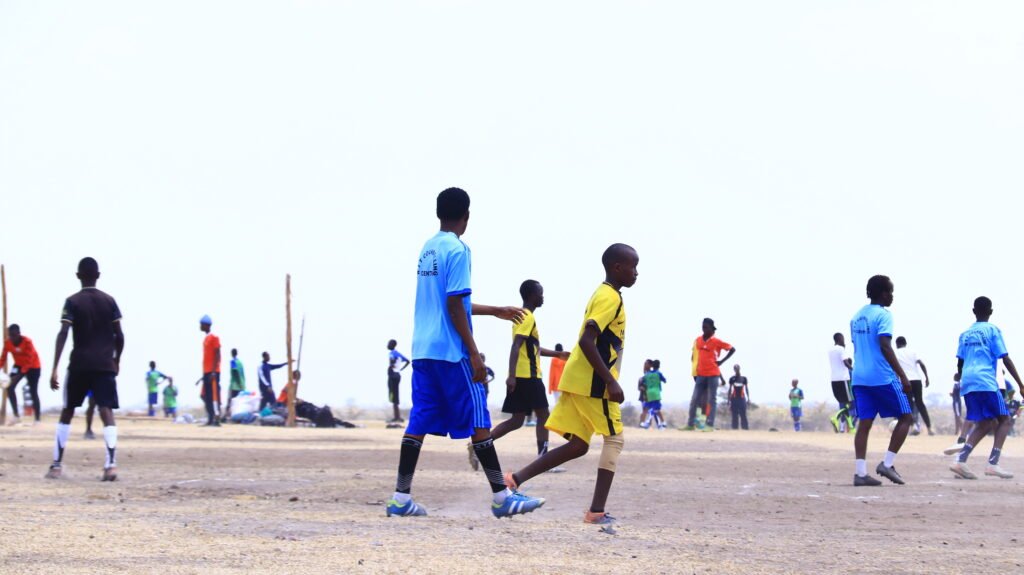
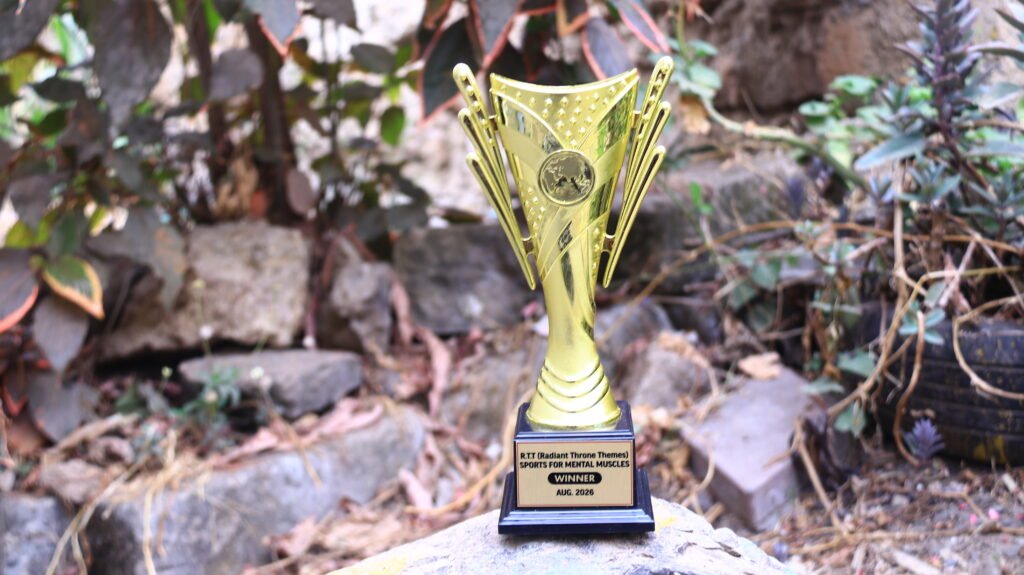
RTT uses football and other sports as practical laboratories for developing psychological resilience, discipline, emotional regulation, teamwork and healthy coping. The sporting environment gives young people repeated real-life opportunities to experience pressure, disappointment, competition, success, conflict and recovery—and then learn how to respond constructively. A player who loses a match learns to manage disappointment; a team learns communication and cooperation; a young person who struggles initially learns persistence; and a captain learns responsibility and leadership. From a psychological perspective, these experiences can strengthen self-efficacy, social connection, belonging and confidence when the environment is supportive and appropriately coached. Physical activity is also associated with benefits for mood, self-esteem, cognitive development, social integration and overall wellbeing. From a neuroscience perspective, regular physical activity influences brain and body systems involved in stress regulation, attention, mood and executive functioning, helping young people develop healthier ways of managing stress. RTT is particularly intentional about making football “a kick for mental fitness”: every training session becomes an opportunity to reinforce a mental-health lesson, while tournaments become platforms for demonstrating discipline, resilience, emotional intelligence and teamwork. Importantly, RTT does not use sport as a substitute for professional mental-health care; rather, sport becomes a gateway for prevention, connection, identification of distress, psychoeducation and referral to counselling or other appropriate support.
3. TALENTS & ARTS – CREATIVITY FOR EMOTIONAL EXPRESSION
RTT treats talent development as an important mental-health intervention because creativity gives young people alternative ways to express identity, emotions, experiences, aspirations and even pain. The Academy embraces music, dance, drama, poetry, visual and creative arts, digital and media arts, fashion and textile creativity and other forms of talent, allowing young people to discover strengths that may not always be visible in traditional academic environments. Psychologically, developing a talent can strengthen self-esteem, competence, identity and sense of purpose, while performing or exhibiting in a supportive environment can build confidence and reduce social withdrawal. Creative activity can also provide a non-threatening route into conversations about difficult subjects such as bullying, addiction, grief, relationships, stigma and emotional distress. A recent systematic review of adolescent research found that regular engagement with arts and creative activities is associated with better mental health and wellbeing, with particularly promising evidence around music and internalising symptoms, although the researchers appropriately note that more experimental evidence is still needed. RTT therefore uses talent not merely to entertain but to educate and advocate: participants are encouraged to create performances, songs, poems, artwork and digital content around mental-health themes, culminating in talent showcases and an awards ceremony where different talents communicate messages of resilience, hope, addiction prevention, suicide prevention, emotional wellbeing and stigma reduction. In this way, the Academy turns the young person’s creativity into both a personal healing and confidence-building resource and a public mental-health advocacy tool.
4. GREEN CHAMPS – ENVIRONMENTAL ACTION FOR MENTAL AND COMMUNITY WELLNESS
RTT’s Green Champs component connects environmental stewardship with mental wellness by giving young people opportunities to care for the spaces in which they live, learn and play. Through tree planting, community clean-ups, environmental education, nature walks, conservation activities and climate-awareness initiatives, participants move from simply discussing wellbeing to actively creating healthier environments. Psychologically, purposeful group activities can strengthen belonging, responsibility, agency and collective efficacy—the feeling that “we can make a difference together.” This is important for young people who may experience helplessness, idleness or hopelessness: environmental action provides a visible and tangible outcome from their effort. Nature-based activities also create opportunities for physical movement, social connection, reflection and stress reduction. RTT therefore links the concepts of healthy mind, healthy body and healthy environment, while using Green Champs to address climate change and environmental degradation as community concerns that young people can actively respond to. The initiative also strengthens the Academy’s prevention agenda: instead of leaving young people disengaged or isolated, it provides structured, positive activities that build responsibility, teamwork and purpose. For RTT, planting a tree is therefore more than an environmental activity—it is an act of hope, responsibility and investment in the future.
5. SKILLS TRAINING

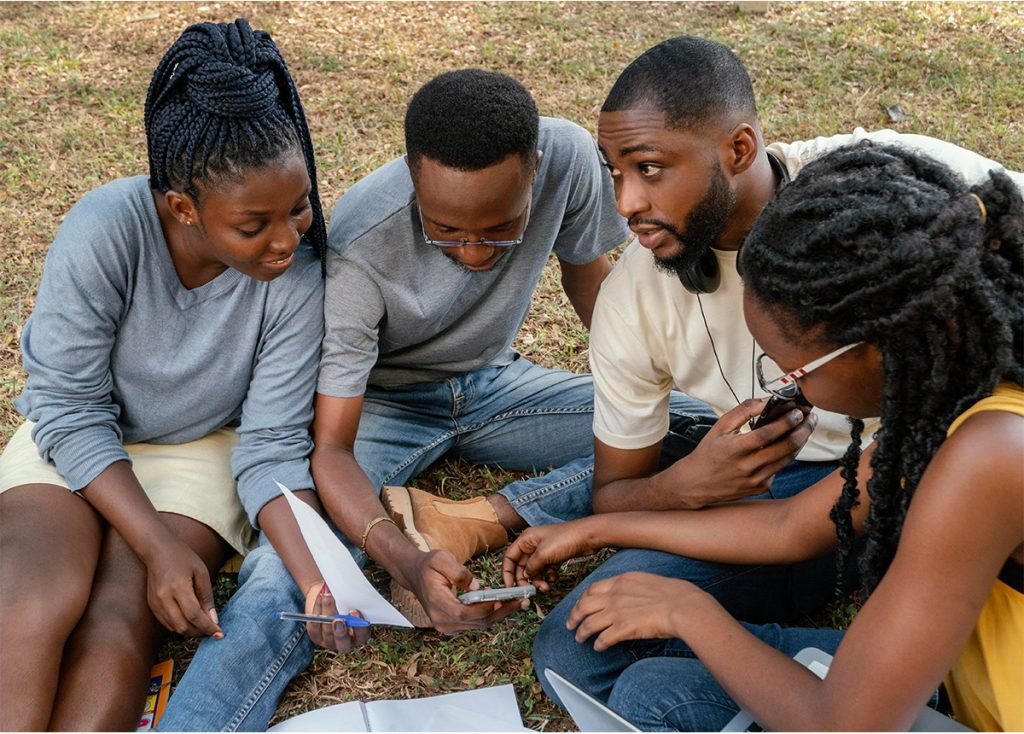
RTT’s skills pillar recognises that mental wellness is strongly connected to purpose, opportunity, dignity and the ability to see a viable future. The Academy therefore seeks to complement sports and talents with skills for income generation, entrepreneurship, digital skills, creative enterprise, sports-related opportunities, fashion and design, media and other practical vocational or livelihood-oriented skills. From a psychological perspective, meaningful skill development can increase self-efficacy—the belief that “I can learn, I can create and I can contribute”—while goal achievement can reinforce motivation, confidence and a sense of competence. For young people facing unemployment, idleness or limited opportunities, developing a marketable skill can provide structure and a more hopeful pathway into adulthood. This is particularly relevant to RTT’s suicide and addiction-prevention agenda because the Academy seeks to strengthen protective factors such as purpose, productive engagement, social connection, future orientation and economic agency, rather than focusing only on risk. WHO emphasises that adolescents need opportunities to develop life skills, supportive environments, education and pathways that promote healthy development. RTT therefore wants participants to move through a progression of talent → skill → competence → opportunity → purpose, while integrating mental-health education throughout the process. The ultimate message is that a young person’s talent can become more than a hobby: it can become a source of identity, confidence, livelihood and hope.

💡 Expert-Designed
Programs created by licensed psychologists

📊 Evidence-Based
Incorporating CBT, DBT, and neuroplasticity research

🌍 Community-Focused
Tailored for Kenyan cultural context

♿ Inclusive
Programs adapted for disabilities and marginalized groups